
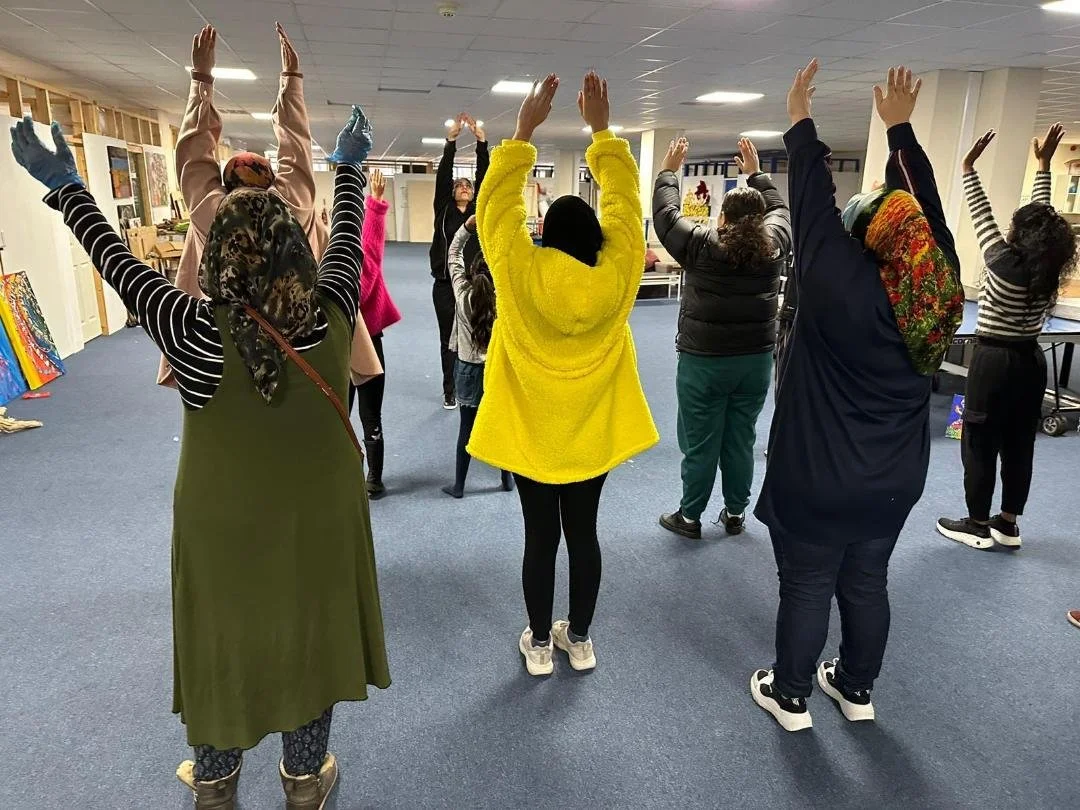
Women’s Health
Women from minority ethnic backgrounds in Wales experience significant and persistent health inequalities across maternal health, mental health, chronic illness, and access to care. These disparities reflect wider structural issues including socio-economic disadvantage, cultural and linguistic barriers, discrimination, and under-representation in health research.
Key Findings
1. Maternal and Neonatal Health Inequalities
Maternal mortality and poor perinatal outcomes are disproportionately higher among Black, Asian, and mixed-ethnicity women. UK-wide evidence shows that Black women face maternal mortality rates nearly four times higher than White women, with similar patterns affecting Asian women. Neonatal research in England and Wales also identifies higher pre-discharge infant mortality for babies born to Black mothers. These disparities remain even after accounting for clinical risk factors, indicating structural and care-quality issues.
2. Lower Uptake of Screening and Preventive Care
Public Health Wales reviews show lower participation in cancer screening and other preventive programmes among certain minority groups. Barriers include limited culturally appropriate information, language challenges, and mistrust stemming from prior negative healthcare experiences.
3. Mental Health Vulnerability and Barriers to Support
Women from minority ethnic backgrounds often face higher exposure to the social determinants of poor mental health, which is poverty, precarious employment, and insecure housing. These challenges intersect with limited access to culturally competent mental health services, contributing to lower help-seeking and poorer outcomes.
4. Under-representation in Health Research
Welsh academic institutions highlight that minority ethnic communities are under-represented in research, clinical trials, and service evaluations. This limits the evidence base needed to design and assess interventions that meet the needs of diverse women.
5. Systemic Barriers in Accessing Care
Service navigation challenges, linguistic barriers, lack of cultural sensitivity, and experiences of discrimination negatively influence health outcomes and reduce engagement with healthcare services. These factors are often compounded for migrants, asylum seekers, and women living in deprived areas.
Mustard recommendations
Improve ethnicity-linked data collection and reporting across Welsh health systems to enable accurate monitoring of disparities and inform targeted interventions.
Strengthen culturally competent and language-accessible care through staff training, community outreach, and co-production with minority ethnic women.
Prioritise equity-focused maternity and neonatal improvements, addressing structural bias, continuity of care, and tailored support for high-risk groups.
Enhance early intervention and screening uptake through trusted community networks, culturally tailored communication, and removal of logistical barriers.
Increase representation in health research, ensuring studies reflect the diversity of Wales and that interventions are appropriately evaluated.
Conclusion
The health inequalities experienced by women from minority ethnic backgrounds in Wales are substantial, well-evidenced, and preventable. Addressing them requires sustained commitment to data-driven policymaking, culturally informed service design, and targeted investment in maternity, mental health, and preventive care. With coordinated action across public health, NHS Wales, and community organisations, Wales can make meaningful progress towards reducing ethnic health inequalities.